
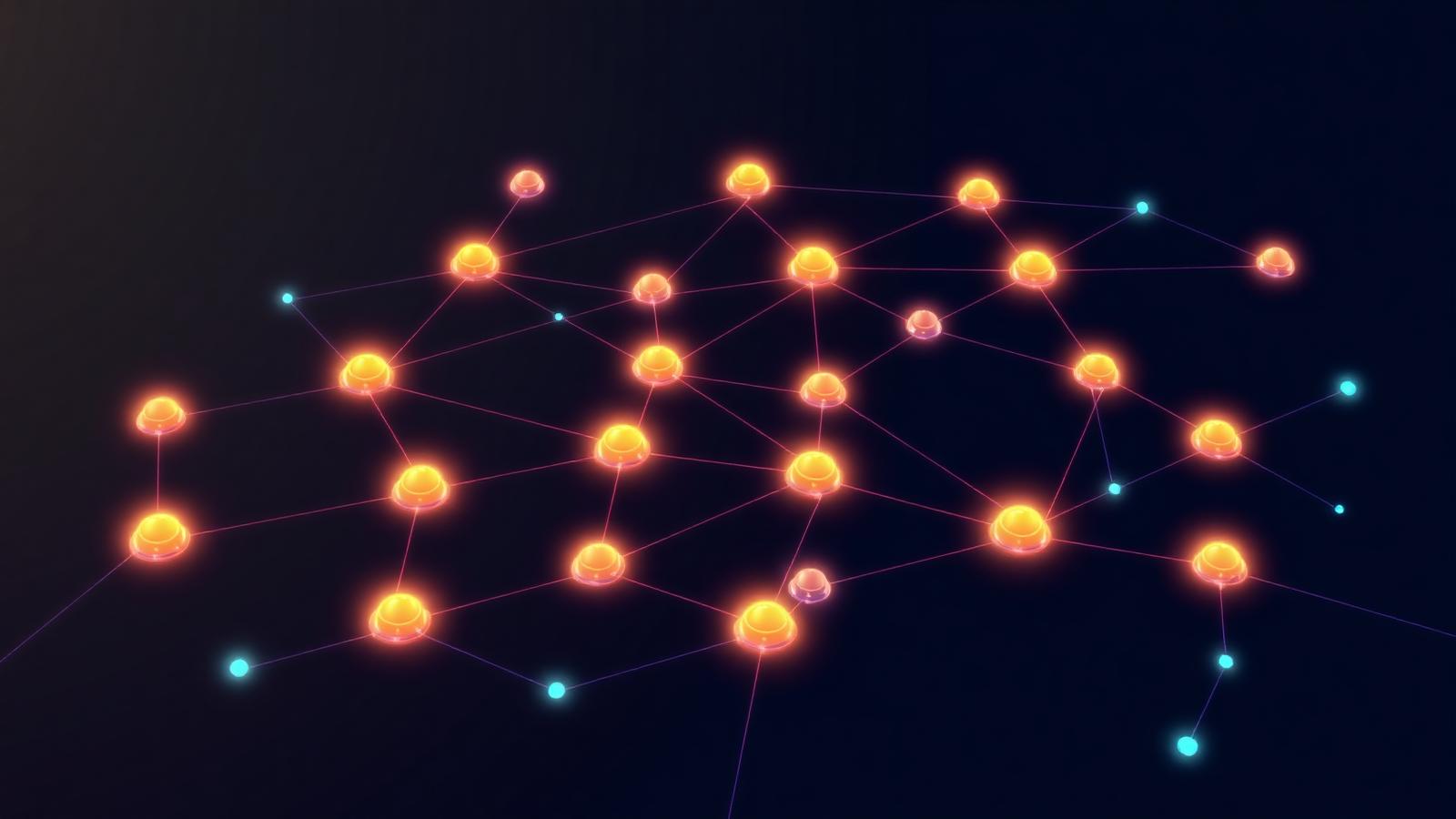
A single honeypot tells you what one attacker did in one place. A correlated fleet tells you which campaigns are hunting your sector, which are opportunistic, and which are quietly trying not to be seen.
A single honeypot is interesting. A fleet of them, correlated well, is intelligence.
The difference is what shows up when you can ask questions across the whole grid at once.
Questions a single sensor cannot answer
- Is this source hitting only my sensor, or is it sweeping every ICS decoy in this region?
- Is this actor targeting a specific vendor stack, or protocol, or geography?
- Has this source touched multiple protocols in a way that suggests reconnaissance rather than a script?
- Is the tempo of this activity constant, or does it match a specific human working schedule?
Each of those questions requires more than one sensor and more than one protocol worth of telemetry.
What correlation surfaces
With a correlated fleet you start to see three distinct populations:
- Untargeted scanning: high volume, wide protocol coverage, minimal depth. Noise.
- Opportunistic exploitation: sources that speak the protocol correctly and try known techniques against anything that answers. Worth tracking, rarely targeted.
- Targeted behavior: sources that stay narrow, go deep, avoid noisy techniques, and revisit. This is the small population where actor tracking is justified.
Most fleets never see the third group clearly because they lack the correlation layer.
The ThreatSpire grid view
ThreatSpire built the grid stats and cross sensor view for exactly this reason. Every session that touches a sensor is fingerprinted, tied to a source profile, and cross referenced against the rest of the fleet. Analysts can pivot from a single write attempt on one substation decoy to the full history of that source across every sensor and every protocol in minutes.
That is the difference between a honeypot as a curiosity and a honeypot as a collection platform.